
Find the latest Georgia Tech Bioengineering and Bioscience news and research here.

September 28, 2026
Beyond DNA: Large Study Adds Context of Life Circumstances, Environment to Genetic Risks
4 min read
New research from Georgia Tech shows that a person's environment and life circumstances can amplify or reduce the health risks encoded in our DNA — leading to an array of health outcomes.
Read More
September 28, 2026
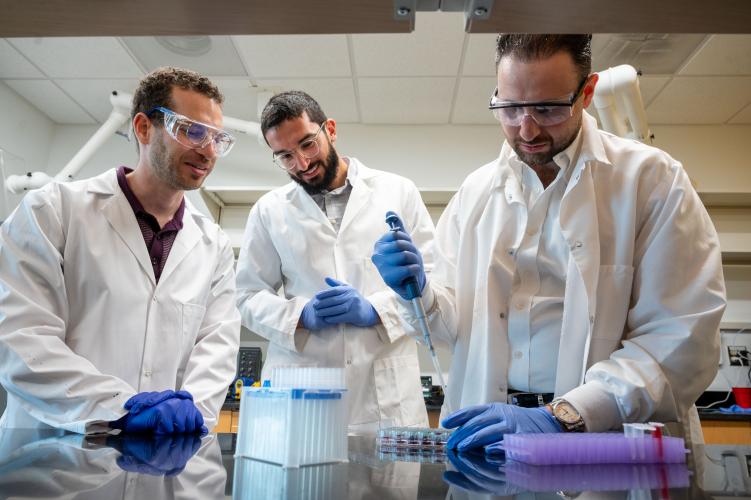
Gut mRNA Tech Supercharges Vaccine and GLP-1 Delivery
4 min read
Georgia Tech and Emory researchers found that delivering vaccine and GLP-1 mRNA nanoparticles through different regions of the gastrointestinal tract can redirect therapies to key organs while reducing side effects.
Read More
September 24, 2026
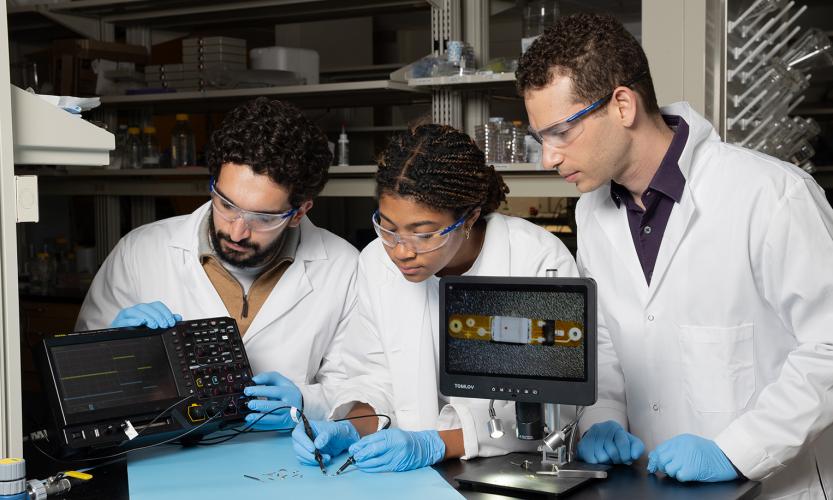
Engineers Connect Health Wearables and Implants Using the Body as the Network
1 min read
Inspired by the ionic signaling of our nervous system, researchers built sensors and therapeutic devices that can communicate and coordinate with each other through tissue.
Read More

September 22, 2026
New Emory and Georgia Tech Dual-Degree Pathway Bridges Medicine and Robotics
1 min read
Emory and Georgia Tech launch a new MD/MS in Robotics pathway that combines medical training with advanced robotics education.
Read More
September 21, 2026
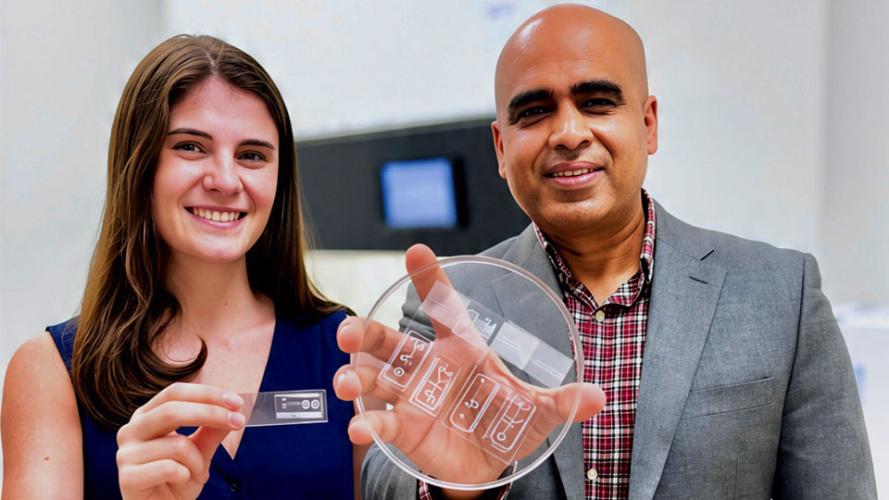
Georgia Tech Launches ETHOS Initiative to Accelerate Human-Centered Medical Research
6 min read
Georgia Tech's ETHOS initiative brings together expertise from across the Institute to advance human-centered research models that could accelerate the development of safer, more effective therapies.
Read More
September 11, 2026
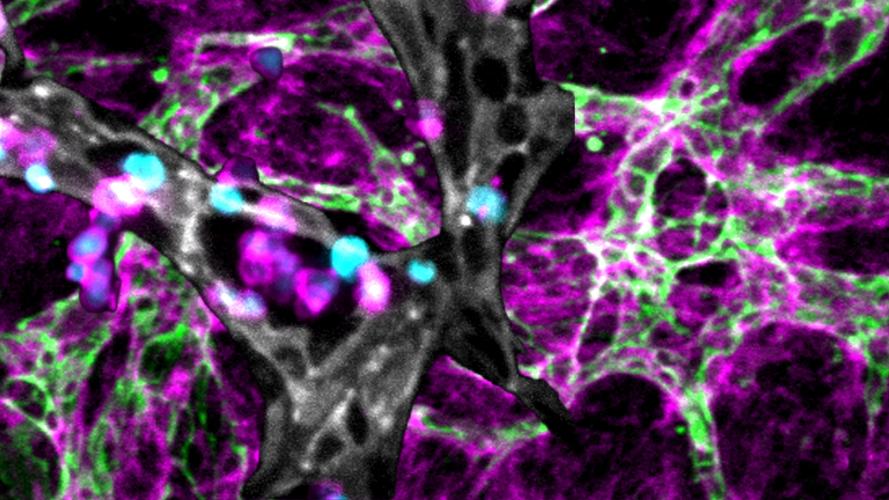
A Window Into the Hidden World of Immunity Inside Human Bone Marrow
4 min read
In a study published in Science Advances, the team developed a human bone marrow-on-a-chip, enabling them to directly observe human antibody-secreting cells.
Read More

August 31, 2026
Tiny Motors, Big Structures: Kolvin Awarded NSF CAREER Grant for Soft Materials Research
4 min read
The work could open the door to advances in wound healing, artificial tissues, and organ repair.
Read More
August 28, 2026
Georgia Tech Researchers Discover New Layer of the Human Genome
3 min read
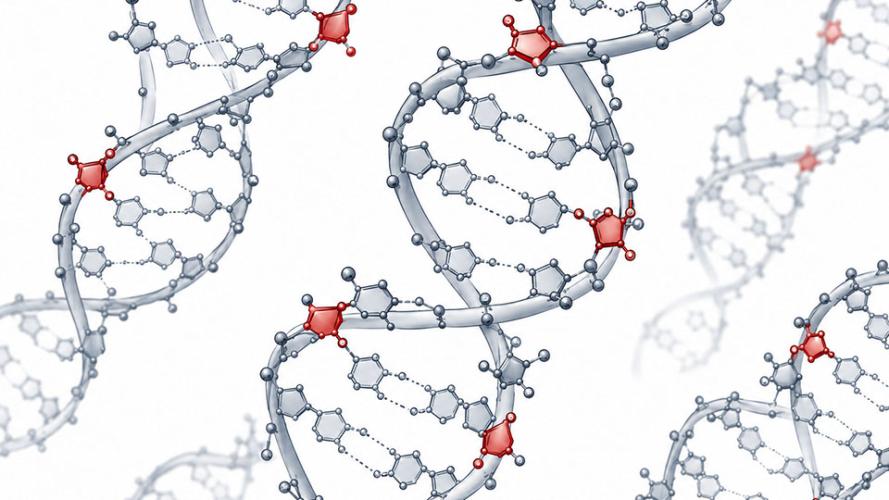
A new study led by Francesca Storici reveals that RNA building blocks embedded in human DNA are organized in distinct patterns and may play an important role in regulating DNA structure and gene activity.
Read More

August 27, 2026
Wilkinson Elected Chair of Georgia Tech’s Faculty Executive Board
3 min read
The longtime Georgia Tech professor and academic leader in the College of Sciences will guide the Faculty Executive Board as it upholds the Institute's shared governance.
Read More

August 26, 2026
Speare Earns Highly Competitive NIH MIRA Grant
4 min read
The award will support funding aimed at uncovering new insights that could support future coral restoration and disease management efforts.
Read More

August 24, 2026
A Neuroscientist Went Looking for Prediction. She Found Time Instead.
5 min read
A Georgia Tech study challenges a decades-old explanation for one of neuroscience's most famous signals, revealing an intrinsic neural code for tracking time.
Read More
August 19, 2026
Georgia Tech Researchers Discover New Mechanism Behind Soft-Material Adhesion
1 min read
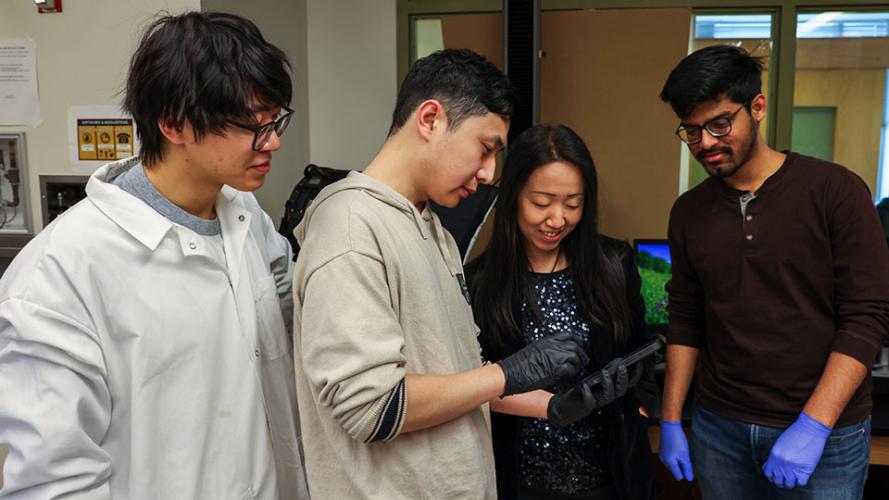
The discovery challenges a long-held assumption in adhesion mechanics and reveals a new physical mechanism that governs how soft materials attach and detach.
Read More
Visit our Research News Center
The Parker H. Petit Institute for Bioengineering and Bioscience regularly releases articles and videos featuring its research, faculty, and students. This includes stories about drug design, development, and delivery, human health, cancer technologies, biomanufacturing, and other technologies that improve the human condition.